 Chicago Fire FC Hub
Introduction
In recent weeks, Chicago Fire FC has faced a mix of results that have left fans yearning for more consistency and flair on the pitch. As the team gears up for crucial fixtures, it’s essential to dive into the tactical nuances that could elevate their performance. By analyzing their current form and suggesting adjustments, we can shed light on how the Fire can reignite their spirit and ambition.
Current Tactical Setup
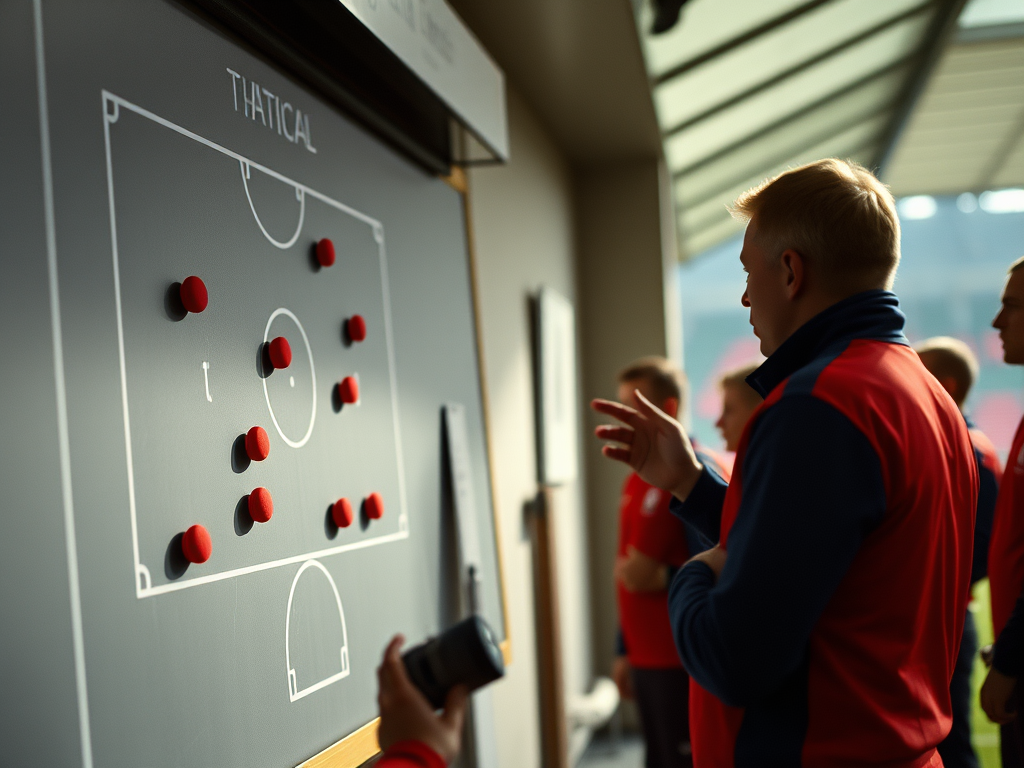
The Fire has predominantly employed a 4-2-3-1 formation, which has provided a solid base defensively while allowing for some creativity in attack. However, this setup has also led to moments of stagnation, particularly in build-up play and transitioning from defense to attack. The midfield duo, while industrious, sometimes lacks the dynamism required to link up effectively with the forwards, resulting in a disconnect that has hindered their attacking potency.
Suggested Tweaks
1. Midfield Reconfiguration
One of the most pressing adjustments could involve reconfiguring the midfield. Instead of a rigid 4-2-3-1, transitioning to a 4-3-3 could inject more fluidity into the midfield. By adding an additional midfielder, the Fire could enhance possession retention and provide better support to both the defense and the forward line. Utilizing a more advanced playmaker or a creative midfielder could facilitate quicker transitions and allow for more intricate passing sequences.
2. Wider Play and Overlapping Full-Backs
To stretch opposing defenses, the Fire should consider exploiting the flanks more effectively. This could involve encouraging full-backs to overlap and provide width, creating space for wingers to cut inside or provide crosses. The inclusion of pacey wingers could further capitalize on this strategy, allowing the Fire to exploit defensive weaknesses and create goal-scoring opportunities from wide areas.
3. Pressing and Defensive Shape
Defensively, the Fire has shown moments of vulnerability, particularly when transitioning back into a defensive shape. Implementing a more aggressive pressing strategy could disrupt opponents higher up the pitch, forcing errors and regaining possession in advantageous areas. This requires a collective effort from the forwards to initiate the press, with the midfielders ready to support and close down passing lanes. A compact defensive structure with well-timed pressing could significantly reduce the chances of counter-attacks from opponents.
Player Roles and Responsibilities
In terms of individual roles, key players like J. Waterman and R. Lod must step up to embody these tactical changes. Waterman, with his ability to control the midfield tempo, should take on a more advanced role, while Lod can utilize his dynamic movement to exploit gaps left by defenders. Furthermore, the full-backs need to maintain a balance between attacking and defensive duties, ensuring they contribute to both phases of play effectively.
Conclusion
As Chicago Fire FC looks to turn their fortunes around, embracing these tactical adjustments could be the catalyst they need. By enhancing midfield fluidity, exploiting width, and refining their defensive approach, the Fire can become a more formidable side. These changes not only aim to boost their performance but also to re-establish their identity as a competitive force in the league, making every match at their home stadium an event to remember.