 Chicago Fire FC Hub
In the world of football, adaptability is key, and for Chicago Fire FC, recent performances have highlighted both strengths and weaknesses in their tactical approach. With the team striving for consistency amid fluctuating results, a tactical analysis reveals several areas where subtle adjustments could lead to significant improvements on the pitch.
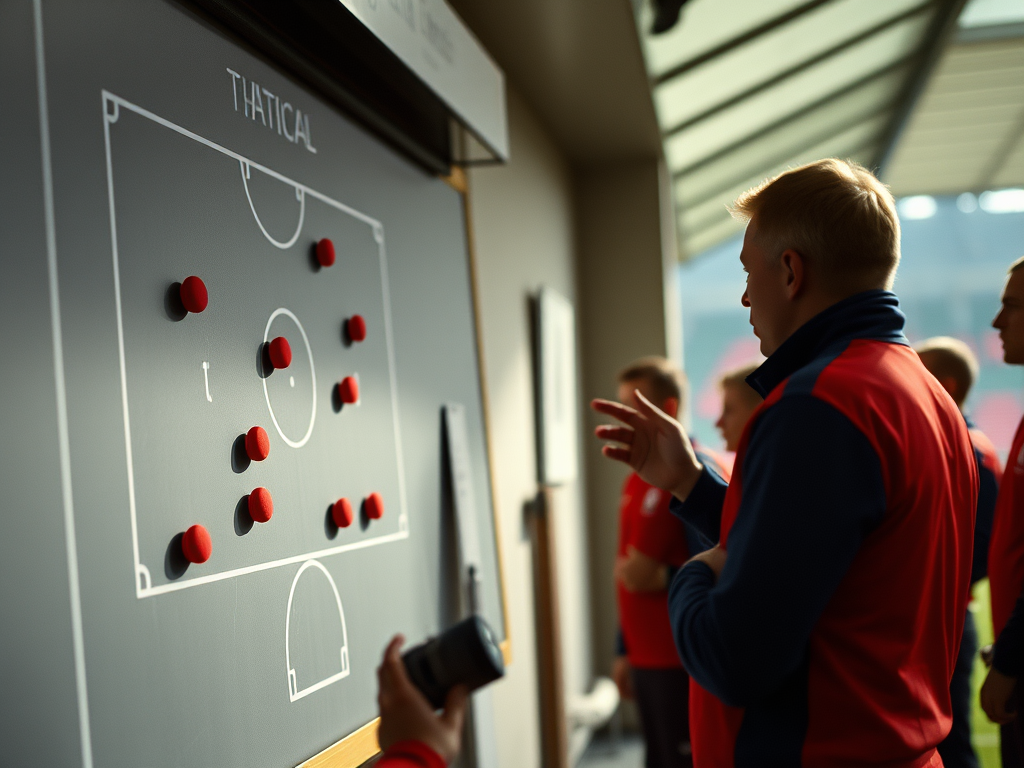
One of the most notable aspects of the Fire's recent form has been their midfield dynamics. While the team often fields a three-man midfield, the fluidity and cohesion between the players have at times been lacking. To address this, a switch to a double pivot formation could provide more stability. This would allow one of the midfielders to sit deeper and shield the defense while the other pushes forward to support attacks. By tailoring their formation to prioritize midfield control, the Fire could gain better possession and create more opportunities in the final third.
Another tactical tweak that could benefit the Fire is enhancing the width of their attacking play. Often, the Fire have relied heavily on central attacking patterns, which can lead to congestion in the final third. By encouraging their fullbacks to overlap and provide width, the team can stretch opposing defenses and create space for their forwards and attacking midfielders to exploit. This not only opens up passing lanes but also allows for more varied attacking options, making it harder for opponents to predict their movements.
Defensively, the Fire have shown moments of vulnerability, particularly under pressure. A slight modification in their defensive shape could provide the necessary support. Implementing a higher line of engagement can help the team win possession in advanced areas, but it comes with risks if the defensive line is not well-organized. To mitigate this, employing a more zonal marking system during set pieces could help reduce the chances of conceding goals from dead-ball situations, an area that has plagued the Fire in recent matches.
In terms of personnel, the Fire might benefit from rotating players in key positions to keep the squad fresh and engaged. For example, introducing younger, dynamic players who can offer fresh perspectives and energy could revitalize the squad. This not only allows for tactical flexibility but also builds a stronger team chemistry as players adapt to different roles and responsibilities.
Lastly, fostering a stronger connection between the forwards and midfielders is crucial. By encouraging more interchange and movement off the ball, the Fire can create a more unpredictable attacking threat. This requires disciplined positioning but could yield significant rewards in terms of goal-scoring opportunities.
In summary, while Chicago Fire FC has displayed potential, a few tactical adjustments could elevate their performance to new heights. By enhancing midfield control, utilizing width effectively, tightening defensive organization, rotating players, and fostering better connections in attack, the Fire can navigate through their challenging phase and reignite their push for a successful season.