 Chicago Fire FC Hub
Fine-Tuning the Fire: Tactical Adjustments for Chicago Fire FC
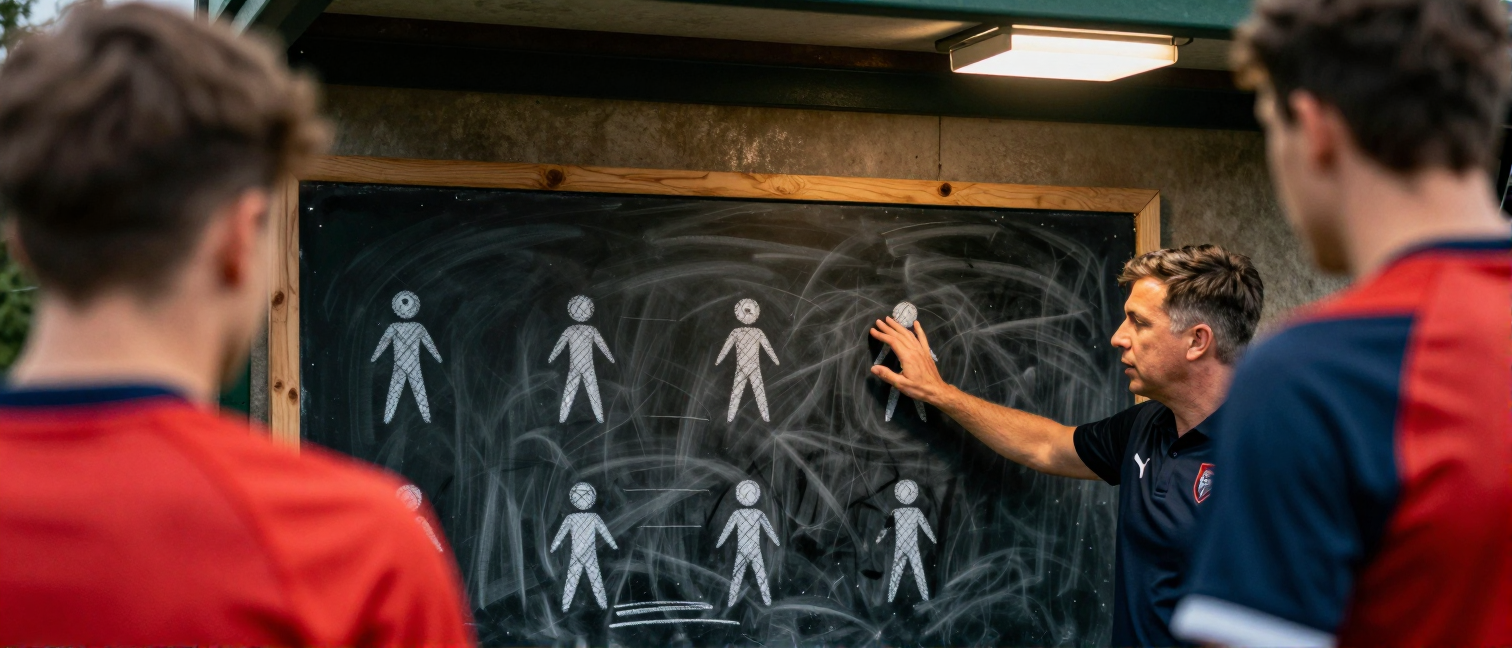
As the season progresses, Chicago Fire FC finds itself in a pivotal moment where tactical refinement can lead to improved results on the pitch. While the team has displayed moments of brilliance, their recent form indicates that strategic tweaks could elevate their game, particularly in attack and transition. Here, we explore some of the tactical adjustments that could benefit The Fire in their quest for league success.
Exploiting Width in Attack
One area where Chicago Fire FC can improve is in utilizing width to stretch opposing defenses. Although the team has talented wingers, their current formation often leads to a congested midfield, limiting their ability to exploit the flanks. By encouraging full-backs to overlap and wingers to stay wide, the Fire can create more space in central areas, allowing for creative playmakers like M. Pineda to find pockets of space. This adjustment could also open up opportunities for through balls into the box, enhancing the likelihood of scoring chances.
Enhancing Pressing Structure
Another critical aspect of the Fire's game is their pressing strategy. While the team has shown the capability to press effectively, a more structured approach could lead to increased turnovers in dangerous areas. Implementing a coordinated press, where forwards and midfielders work in unison to target specific opponents, could disrupt the opposition's buildup play. By refining their pressing triggers and ensuring players are on the same page, the Fire can regain possession higher up the pitch and create immediate attacking opportunities.
Midfield Rotation and Dynamic Movement
Currently, the midfield has been somewhat static, which can lead to predictable play. Introducing more dynamic movement and rotation among midfielders could create confusion for the opponent’s defensive shape. By encouraging players like A. Salétros and M. Pineda to interchange positions and make late runs into the box, the Fire can establish a more fluid attacking rhythm. This approach not only keeps the opposition guessing but also maximizes the strengths of versatile midfielders by allowing them to exploit mismatches in the opponent's defense.
Defensive Organization During Transitions
Defensive transitions have been a point of concern for Chicago Fire FC. When possession is lost, immediate organization is crucial to prevent counterattacks. A potential tweak could involve assigning specific roles for each player during transitions—designating some to fall back quickly while others apply pressure to the ball carrier. By enhancing their defensive organization during these moments, the Fire can mitigate the risk of conceding goals on the break.
Conclusion
In conclusion, as Chicago Fire FC seeks to improve its standing in the league, a focus on tactical adjustments can yield significant benefits. By exploiting width in attack, enhancing their pressing structure, promoting dynamic movement in midfield, and improving defensive organization during transitions, The Fire can sharpen their competitive edge. With the right adjustments, the team can harness its potential and make a robust push toward success this season.