 Chicago Fire FC Hub
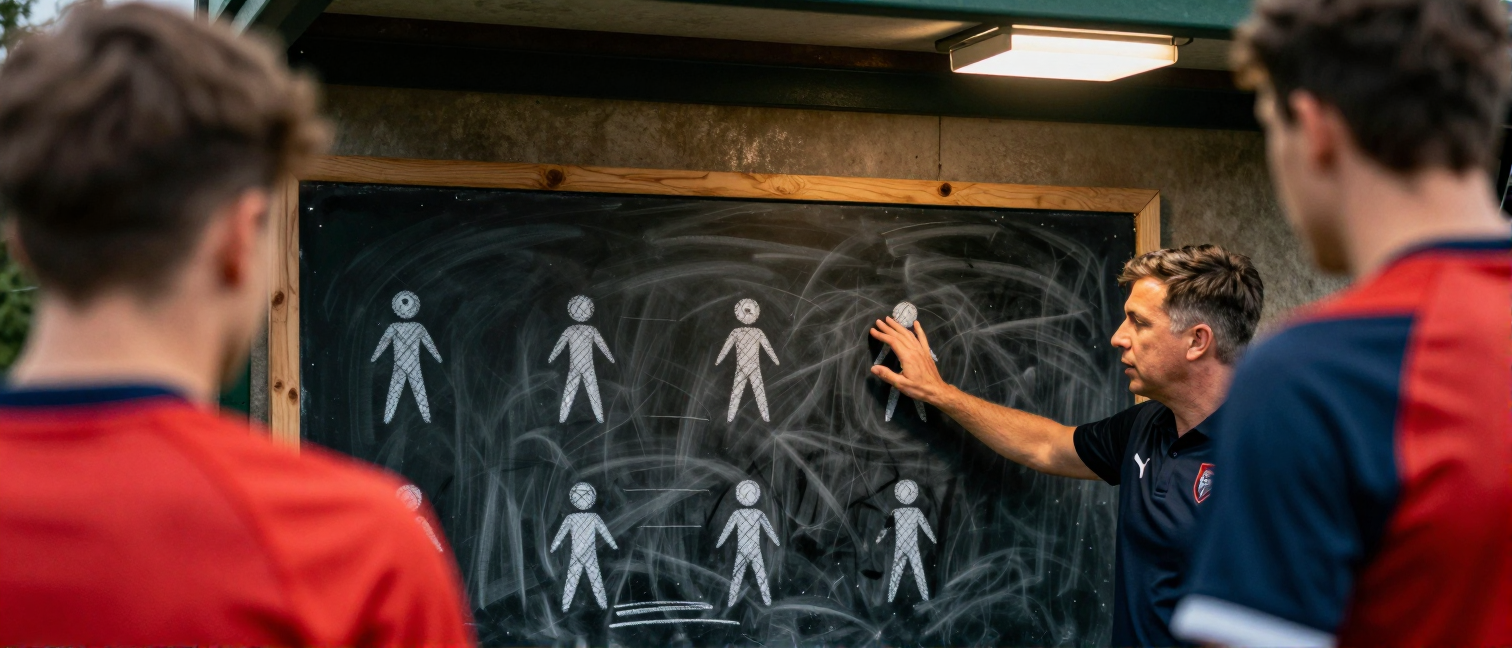
As Chicago Fire FC aims to improve its league standing, tactical changes have become a focal point of the team's strategy this season. The appointment of a new head coach has injected fresh ideas and philosophies into the squad, prompting a deeper examination of how these changes affect their play. This evolution emphasizes a more fluid attacking style, influenced heavily by positional play.
In recent matches, the shift is evident. Players like C. Brady and J. Waterman have adapted well to their new roles. Brady's distribution from the back has allowed for quicker transitions, while Waterman's versatility contributes to various phases of play. Chicago Fire FC's formation has frequently shifted between a 4-2-3-1 and a more aggressive 4-3-3, depending on their opponent.
Data analysis shows fewer goals conceded per match since these tactical adjustments were implemented. The last four matches reflect an average of just one goal allowed, compared to nearly two goals per game at the start of the season. This newfound defensive solidity comes as a relief for fans and players alike.
However, this tactical evolution comes with its challenges. Finding the right balance between attack and defense requires constant fine-tuning. Observers wonder if the team can maintain this level of adaptability as the fixtures pile up. The excitement surrounding this strategic shift is palpable, and as Chicago Fire FC continues to develop, it will be fascinating to witness how these tactics will unfold in future matches.